Matthew Lunt, Head of ESOL and Julian Thomas, Deputy Head of ESOL
The winner of the 2025/26 Beacon Award for Excellence in ESOL is City of Liverpool College. Being based in one of the most multicultural cities in the country, the ESOL department has over 1900 ESOL learners from 50 different nationalities and has welcomed students from all walks of life, including those who have been displaced from their own country.
We met with Matt and Julian to discuss the college’s innovative ESOL provision, which aims to give learners both the language and vocational skills that they need to integrate into society.
Congratulations on winning the Beacon Award for Excellence in ESOL! Can you tell us about your award-winning programme?
Matt: About 18 months ago, we introduced a new suite of ESOL courses designed to break the loop that students often get stuck in when they reach Entry Level 3 ESOL. Normally, this is the point at which students progress onto vocational courses. However, there often isn’t the right language support for them on those courses. This is why many colleges often see a higher dropout rate for these learners.
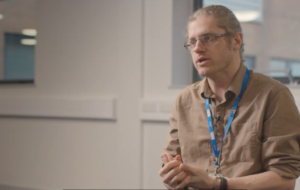
In response to this, last year we piloted our ‘ESOL into’ courses which combine ESOL and vocational pathways for our learners who have reached Level 1 ESOL, where they then have the option to join a specific vocational pathway. Following the success of the first year, we now have seven vocational pathways for students to choose from. These include Science, Sport and Fitness, Health and Social Care, Culinary Skills, Plastering, and Motor Vehicle Maintenance courses. We hope that this new model can provide a template for other colleges and ESOL providers in the region to shape future ESOL provision.
These pathways have been such a success throughout the college. We’re hoping to expand the courses that are available to students next year –it just depends on us ensuring that we have good attendance and good liaison with the vocational teams.
Julian
What makes the programme so unique?
Matt: This programme is unique in that the students benefit from ESOL support and vocational teaching at the same time. The other aspect that we're really proud of is our new dual teaching model.
How exactly does the dual teaching work?
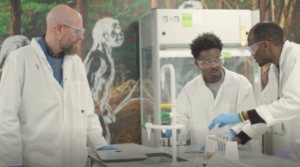
Julian: In our dual teaching approach, learners have at least two sessions a week with just the ESOL teacher, where they learn the vocabulary, language, and context that are tailored to the vocational pathway. The ESOL teacher liaises with the vocational teacher to ensure that students are well prepared beforehand. The students then have a lesson with both the vocational and ESOL teacher in the classroom. During the vocational classes, the ESOL teacher will support learners by explaining what the specific technical language means as they go along. It’s really exciting and the students absolutely love it.
What progression has this opened up for your learners?
Julian: We’re really excited about the progression route that the new model has opened up for our students. For example, last year we saw at least 40 to 50% of learners on our ESOL into Science pathway move on to the Pre-Access to Science course.
Matt: We also have some students who were on our Teaching Assistant course last year who have already secured a job, and others who have decided to work towards applying to university.
What do you love most about your job?
Matt: I really like it when students tell us that they don't see themselves as ESOL learners anymore. They see themselves as vocational students, and they feel that the language support is still there for them.
They feel much more confident and they can see a clear pathway for themselves, whether that’s moving on to Level 2 vocational courses or into employment.
Matt
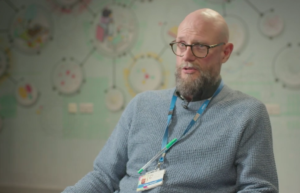
Julian: Although we’re all driven by data and achievement, the thing that gets me out of bed in the morning is working with our ESOL learners. For example, one previous learner, Fatima, joined our ESOL in Science course. She had recently arrived in the UK and was very quiet. Within eight weeks, she was flying. She was incredibly successful – now she’s progressed to the pre access science course and wants to be a pharmacist.
What I enjoy the most is seeing a student go from a lack of self-confidence and building it up slowly over time. We don’t just develop their language skills, but their confidence and self-belief too. We love seeing that spark of drive in them as they begin to believe in themselves and think, “Why can't I be a pharmacist?” That's the best part for me.