
Reading is one of the most powerful ways that families can support their children's learning. This support begins long before children start school or learn to read independently and continues throughout their educational journey. Evidence shows its significant impact on children's educational success, with research finding that effective parental engagement, including around promoting shared reading, can lead to an average of four months' additional progress over a year.
Parental support is particularly important at a time when children's enjoyment of reading is declining. In 2025, the National Literacy Trust found that only one in three children and young people enjoy reading in their free time, the lowest level recorded since their annual survey began.
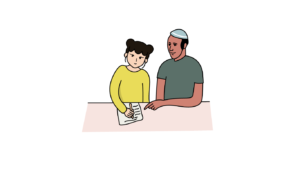
For multilingual families, supporting reading at home, in English or in their preferred home language, can bring many additional benefits. Families bring with them rich linguistic and cultural diversity and are valuable educational partners who can make an important contribution to children's literacy development, foster a love of reading, and support the development of a strong sense of cultural identity and belonging.
However, many multilingual families face barriers that can make supporting reading at home more challenging.
By understanding these challenges and recognising the rich linguistic and cultural strengths that multilingual families bring, schools can build stronger inclusive partnerships that help all children thrive as readers at home and at school.
What challenges might multilingual families face when supporting reading at home?
Language and literacy
Schools should be aware of the language and literacy barriers faced by multilingual families. Some parents and carers may:
- lack confidence in their English language skills and worry that their English is not "good enough" to support reading at home;
- feel uncertain about whether they should read with their child in English, their home language, or both;
- be unaware of the benefits of bilingual reading and storytelling, and worry that using the home language might slow English language development;
- have limited literacy skills in their home language and feel uncomfortable discussing this with school staff;
- experience resistance from children who increasingly prefer to read, speak, or communicate in English rather than in their home language.

Different educational experiences
Some multilingual parents and carers may:
- have experienced education systems where expectations around reading and parental involvement differ significantly from those in UK schools;
- be unfamiliar with current approaches to teaching reading and unsure how best to support their child at home;
- feel uncertain about the purpose of reading activities, school reading schemes, or how reading progress is assessed.
Access to resources and information
Some multilingual parents and carers may:
- have limited access to books and reading materials in their home language;
- be unaware of local libraries, online resources, and community organisations that provide free multilingual reading materials;
- face practical challenges such as limited time, competing work commitments, or a lack of quiet spaces for reading at home.
Supporting reading through home languages
Bilingualism is an asset, and the first language has a continuing and significant role in identity, learning and the acquisition of additional languages.
Primary strategy, Supporting children learning English as an additional language, 2007
As long ago as 2007, the then Department for Children, Schools and Families shared in its guidance a key principle on the importance of using and maintaining home language for learning and language acquisition. Twenty years later, this message remains valid and still one of the most important messages schools can share with multilingual families. Research shows that maintaining and developing a child's first language supports overall language, literacy and academic development, including the learning of English. Reading then, does not have to happen only in English in order for it to be valuable
Parents and carers should be reassured that reading, storytelling, and talking together in their home language are powerful ways to support their child's learning. In fact, children benefit most from rich conversations and meaningful interactions in the language that family members know best. Sharing stories in a familiar language allows children to explore ideas, build vocabulary, comprehension and above all, develop a love of reading while strengthening family connections, a sense of belonging, and identity.
How to encourage parents to read with children at home
Building strong partnerships with multilingual families starts with understanding their individual needs and experiences. Schools can:
- Identify families' preferred languages for reading and communication;
- Listen to any concerns or challenges they may have around supporting reading at home, and recognise that every family is different and avoid a one-size-fits-all approach;
- Provide clear messages about the benefits of reading and storytelling in home languages;
- Recognise and praise reading in home language;
- Encourage families to use their home language when recording comments about their child’s reading in the home-school reading diary reinforcing that responses in any language are valued and equally as meaningful as those written in English;
- Ensure that age and language appropriate multilingual books are available in classrooms or the school library for children to borrow and take home to read with their families;
- Encourage learners to bring in multilingual books the own to swop with other learners;

- Provide translated and about reading. National Literacy Trust has some useful, translated guidance;
- Invite families to an informal session to explain and model how reading is approached in the school. Showing them how to hold a book, navigate through it, point to words and illustrations make all the difference in ensuring families feel confident about reading at home with their children;
- Ask any staff in the school who speak some of the languages of the families to lead the session in that language. This helps to promote the importance of reading in your preferred language and the message that multilingualism is a valuable asset;
- Display multilingual posters about the importance of reading that show families or parents reading with their children, or inspirational adults from other cultures reading.
Practical tips for reading at home
When multilingual families read with their children at home, schools can encourage them to:
Above all, make sure that reading together at home is a fun and interactive experience for everyone.
Advice for older pupils and teenagers
For secondary school learners, the messages already highlighted about reading, developing, and maintaining the home language remains the same, though this can be more challenging in the teenage years. A key message to multilingual parents of older children, is that they do not need to be fluent English speakers to support reading and that strong home language skills will continue to develop a strong sense of social identity as well as language and literacy skills, vocabulary, knowledge, and comprehension.
Schools can encourage multilingual families of secondary school pupils to use their preferred languages to:
- Encourage their children to understand the benefits of reading in their home language. They can consider material such as novels, newspapers, magazines, websites, and other information on their mobile devices;
- Foster wider reading habits by discussing their child’s learning, including their homework;
- Talk about subject specific vocabulary and concepts – providing simple visual key vocabulary lists can help to support less confident parents to engage with this.
Conclusion
Schools must ensure multilingual families understand that, whether reading with younger or older children, the language of the book is less important than the opportunity to engage, interact, and talk together about what they are reading.
Related guidance and resources:
- National Year of Reading resource hub
- How to Work With EAL Parents - The Bell Foundation
- Dual language books
- National Literacy Trust: Multi-language booklist Refugee and Migrant stories booklist
Related articles:
- What do multilingual learners need when they’re learning to read in English?
- Short videos: Tips from EAL trainers